Learning is an integral part of a child’s development, and worksheets play a significant role in this process. Worksheets are an effective tool for reinforcing concepts learned in the classroom and can be a fun way to engage children in the learning process. With the advancement of technology, worksheets have evolved from traditional 2-dimensional (2D) to more interactive 3-dimensional (3D) formats. This evolution has led to a debate on which type of worksheet is more beneficial for children – 2D or 3D.
The primary difference between 2D and 3D worksheets lies in their visual representation and interaction level. 2D worksheets are traditional, flat, and usually involve basic exercises like filling in the blanks, matching, and basic math problems. On the other hand, 3D worksheets offer a more immersive experience, incorporating elements like pop-ups, foldables, and other interactive features that make learning more engaging and fun. The choice between 2D and 3D worksheets depends on the child’s learning style, age, and the subject matter being taught.
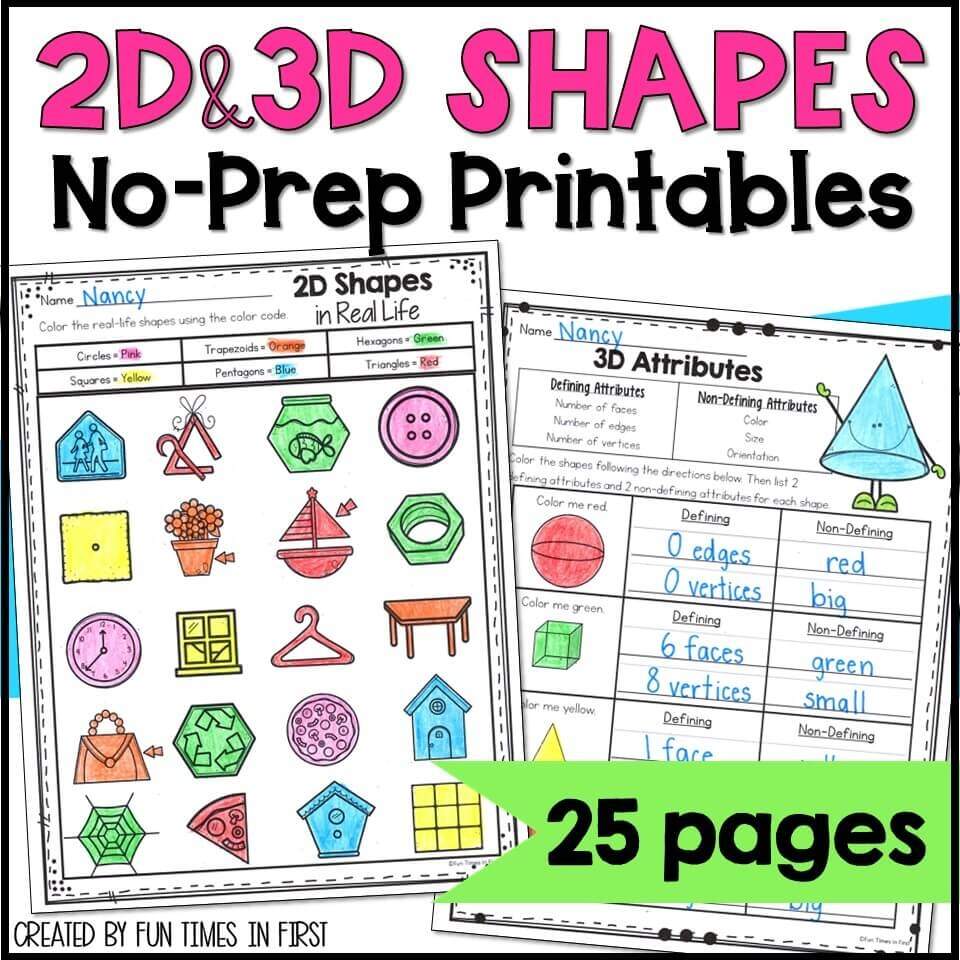
2D And 3D Shapes NO PREP Printable Worksheets Shapes And Attributes Fun Times In First
Understanding 2D Worksheets
2D worksheets are straightforward and easy to create, both online and offline. They are ideal for introducing basic concepts and reinforcing knowledge through repetition. For younger children or those just starting to learn a new subject, 2D worksheets can provide a solid foundation. They are also easily accessible and can be printed out or completed digitally, making them versatile for different learning environments.
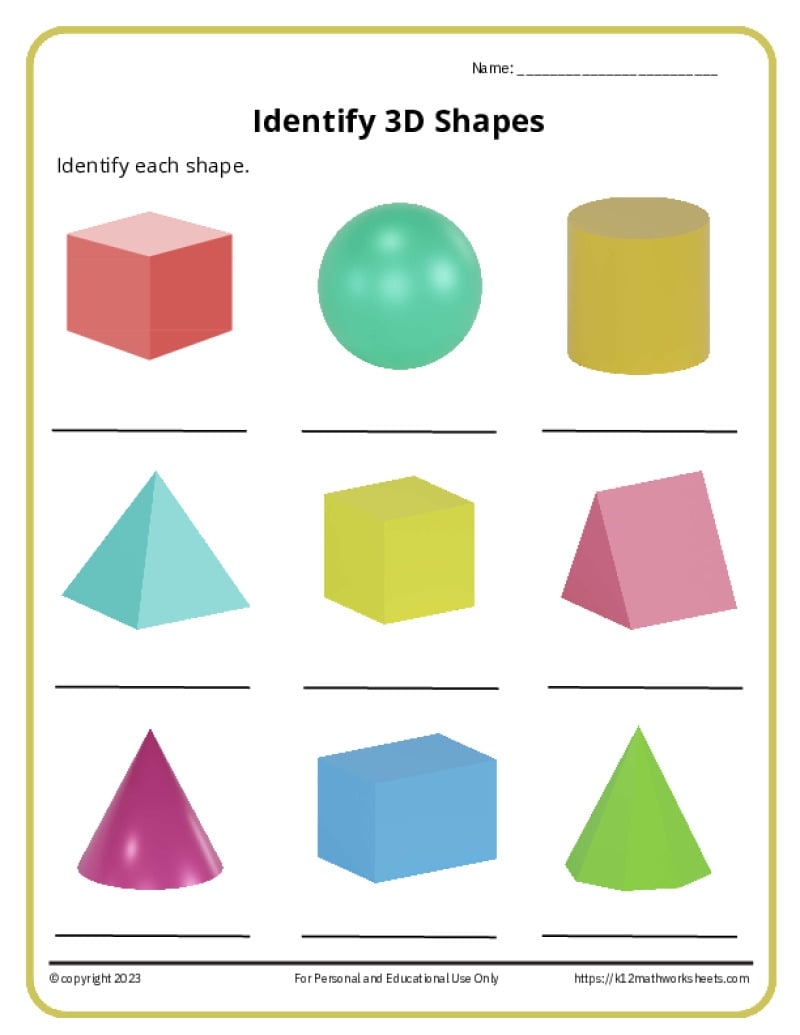
3D Shapes Worksheets K12 Math Worksheets
Exploring 3D Worksheets
3D worksheets, while more complex to design, offer an enhanced learning experience. They can make abstract concepts more tangible and interesting, which can lead to better retention and understanding. For subjects like geometry, architecture, or even certain aspects of science, 3D worksheets can provide a hands-on approach that 2D worksheets cannot match. However, they might require more resources and time to create, and not all subjects may benefit equally from this format.
Benefits of Using Printable Worksheets
The benefits of using printable worksheets, whether 2D or 3D, are numerous. They provide children with a tactile learning experience that digital tools sometimes cannot replicate. Printable worksheets can be used anywhere, making them perfect for homework, travel, or any situation where screen time needs to be limited. Additionally, the act of writing and drawing can help reinforce muscle memory and fine motor skills in children. For parents and educators, printable worksheets offer a flexible and cost-effective way to provide a variety of learning materials without the need for expensive textbooks or digital subscriptions.
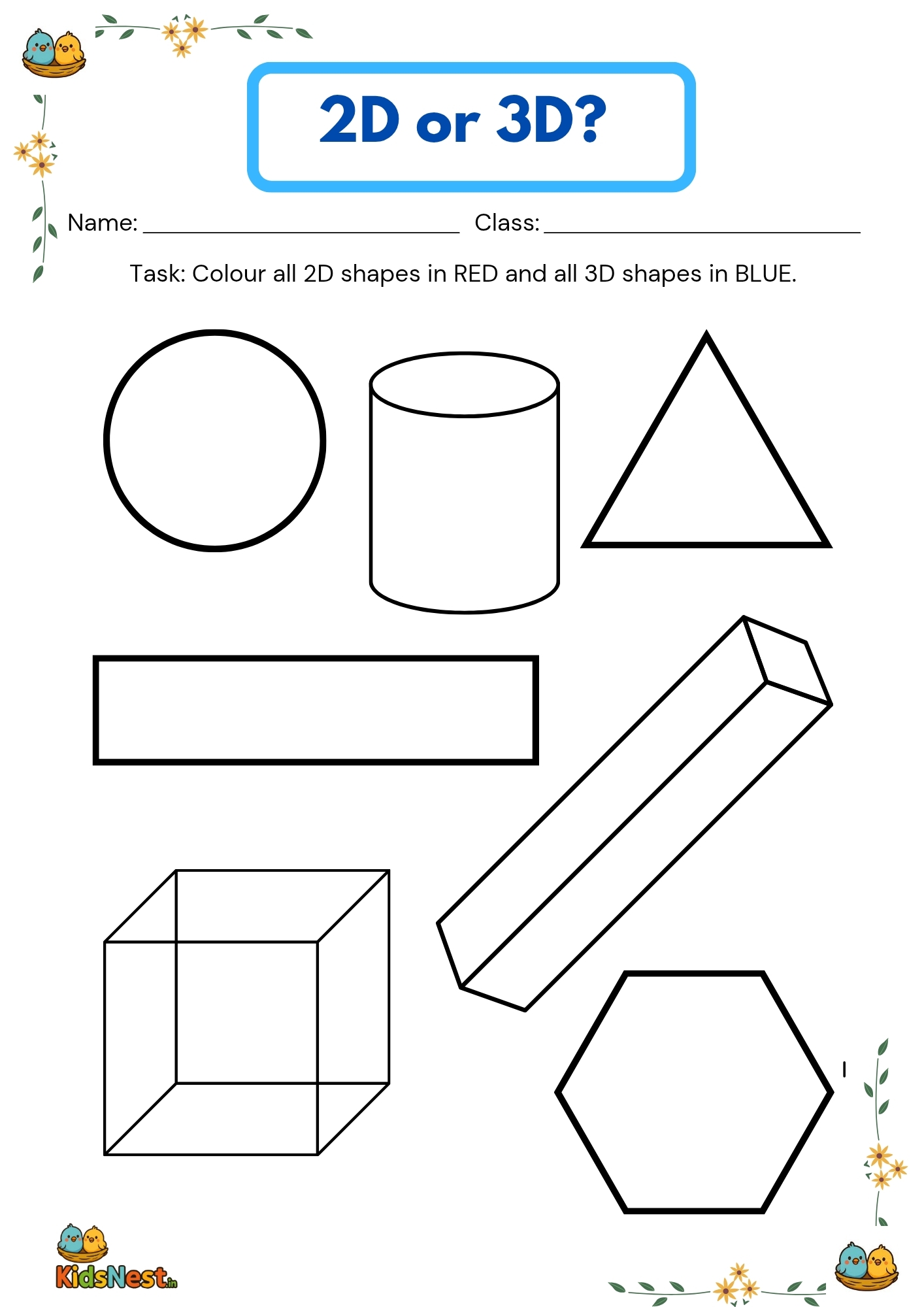
2D Vs 3D Shapes Activity For Kids Printable Worksheet
In conclusion, both 2D and 3D worksheets have their place in a child’s educational journey. The key is to understand the learning needs of the child and to use the type of worksheet that best supports those needs. By incorporating a mix of both 2D and 3D worksheets into a child’s learning routine, parents and educators can create a well-rounded and engaging educational experience that fosters a love for learning and prepares children for success in their academic and professional lives.
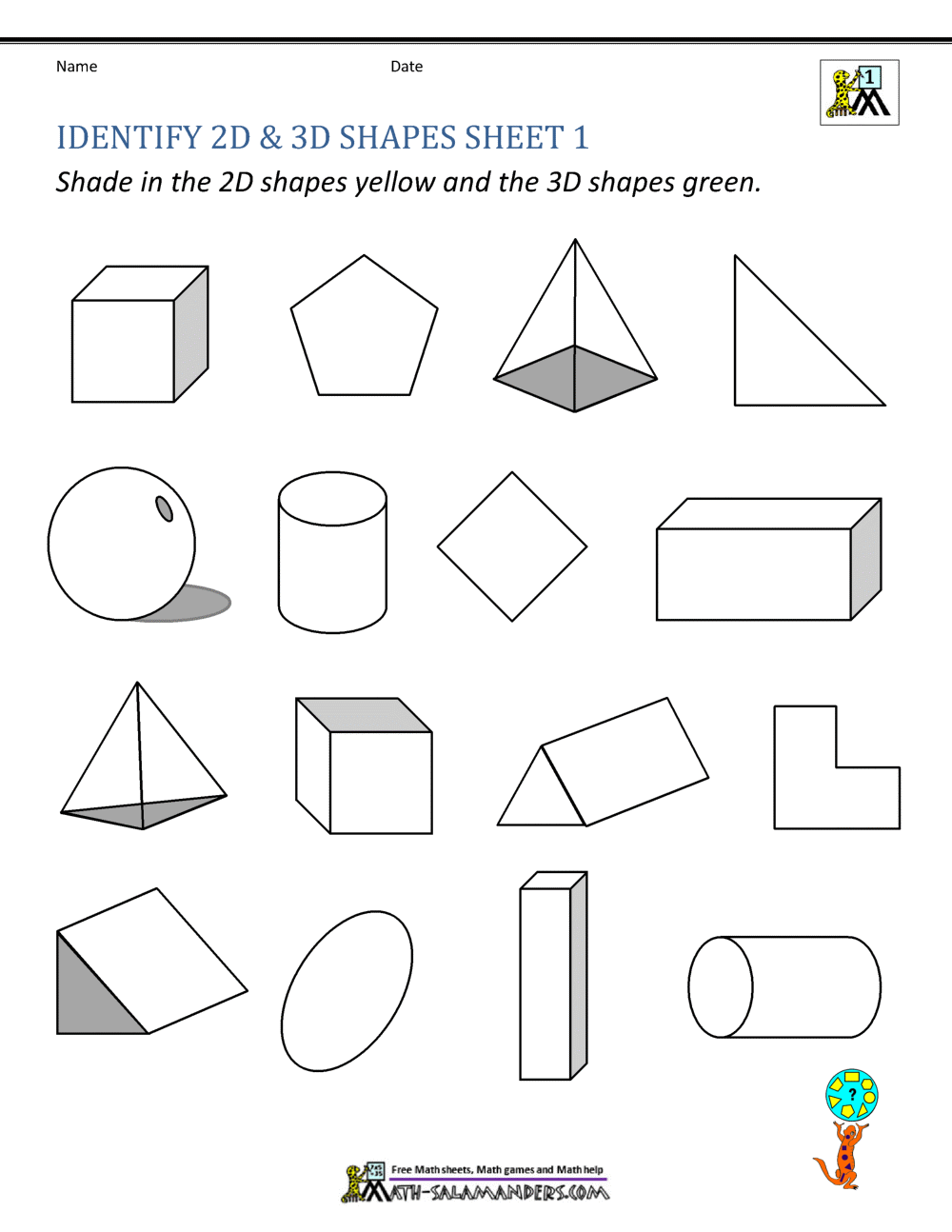
First Grade Geometry
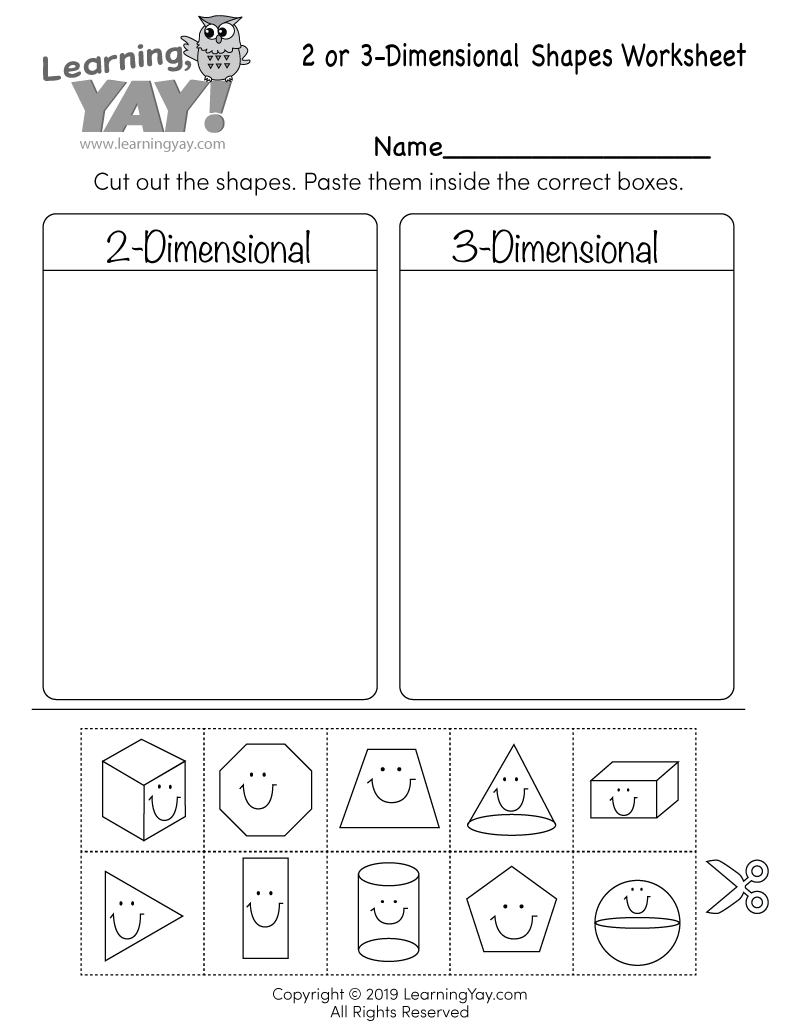
Sorting 2D And 3D Shapes Worksheet For 1st Grade Free Printable