Learning about social norms and behaviors is a crucial part of a child’s development, as it helps them understand what is considered acceptable and respectful in different situations. One effective way to teach children about social norms is by using printable worksheets that focus on expected vs unexpected behaviors. These worksheets provide a fun and engaging way for children to learn about the differences between behaviors that are typically accepted and those that are not.
Expected behaviors are actions that are commonly accepted and respected in a particular social setting, such as saying please and thank you, sharing with others, and respecting personal space. On the other hand, unexpected behaviors are actions that are not typically accepted and may be considered impolite or disruptive, such as interrupting others, pushing, or throwing toys. By teaching children the difference between these two types of behaviors, parents and educators can help them develop essential social skills and emotional intelligence.
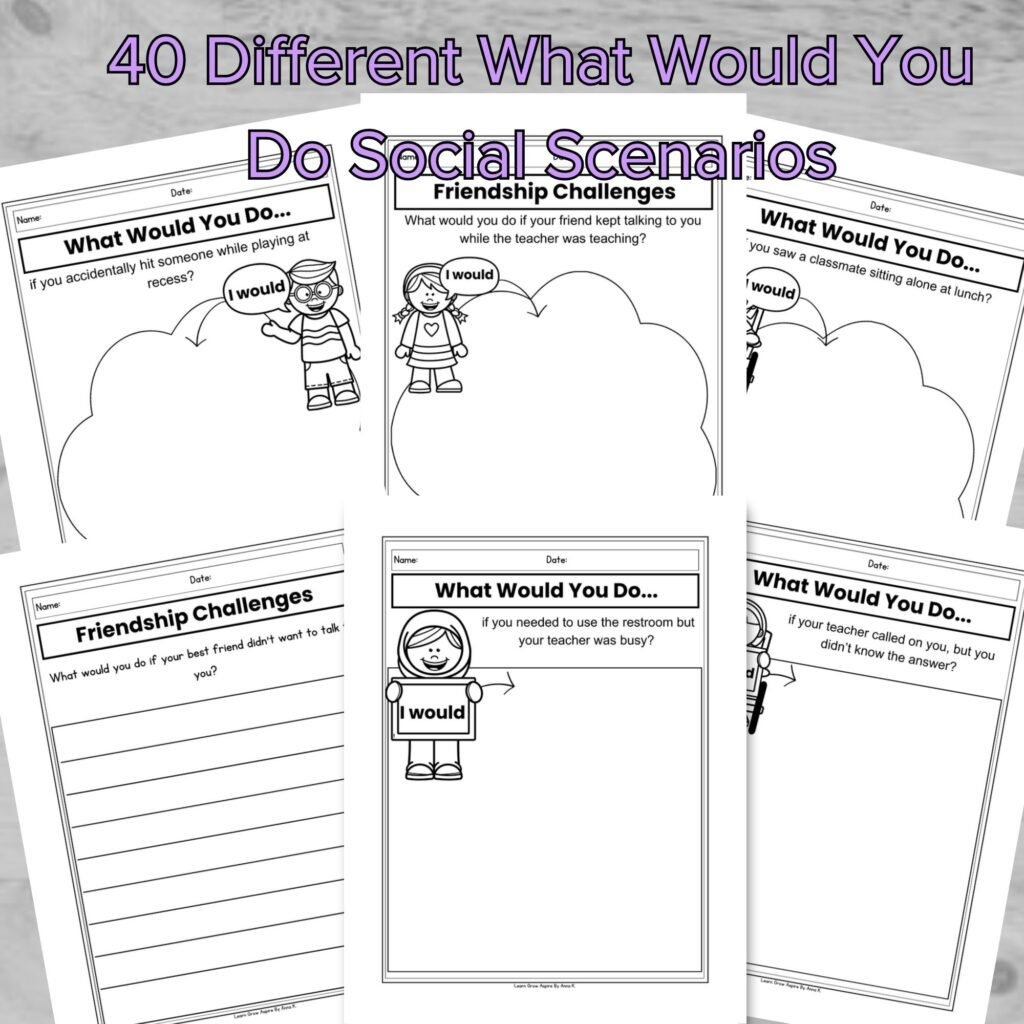
What Would You Do Social Scenarios For Kids
Understanding Expected Behaviors
Understanding expected behaviors is the first step in teaching children about social norms. Expected behaviors are the actions that are commonly accepted and respected in a particular social setting. For example, in a classroom, expected behaviors might include raising one’s hand to speak, listening to the teacher, and respecting fellow students. By recognizing and reinforcing expected behaviors, children can develop a sense of what is considered acceptable and respectful, and they can learn to behave in a way that is consistent with these norms.
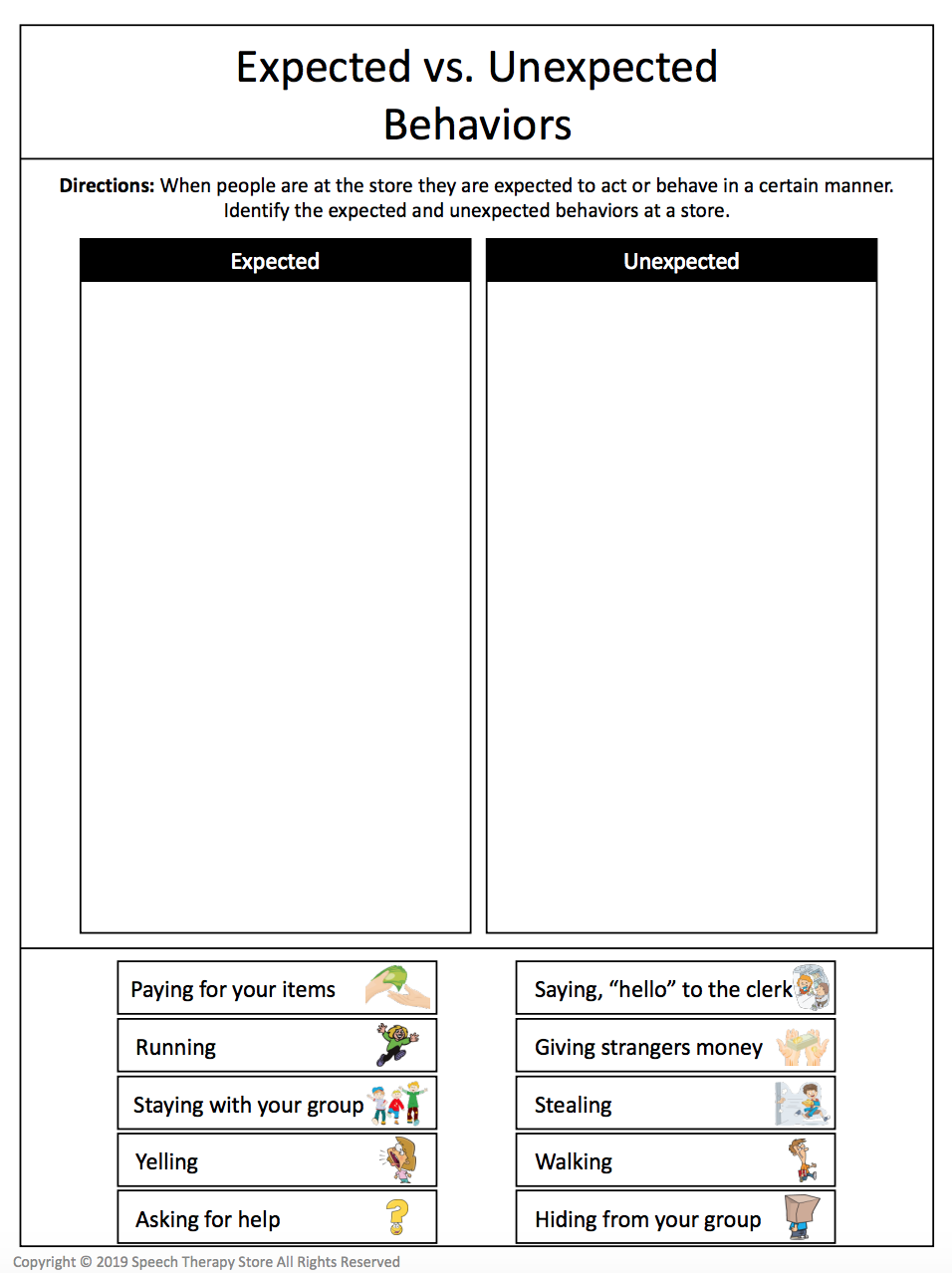
7 Free Community Outings Printables Life Skills Speech Therapy Store
Recognizing Unexpected Behaviors
Recognizing unexpected behaviors is also an important part of teaching children about social norms. Unexpected behaviors are actions that are not typically accepted and may be considered impolite or disruptive. For instance, in a playground, unexpected behaviors might include pushing, throwing sand, or taking toys away from others. By identifying and addressing unexpected behaviors, children can learn to recognize the impact of their actions on others and develop more positive and respectful behaviors.
Practicing Social Norms with Worksheets
Practicing social norms with worksheets is an effective way to reinforce learning and help children develop essential social skills. Printable worksheets that focus on expected vs unexpected behaviors provide a fun and engaging way for children to learn about social norms. These worksheets can include activities such as matching games, scenarios, and role-playing exercises that help children recognize and practice expected behaviors. By using these worksheets, parents and educators can provide children with a comprehensive and interactive learning experience that promotes social skills and emotional intelligence.
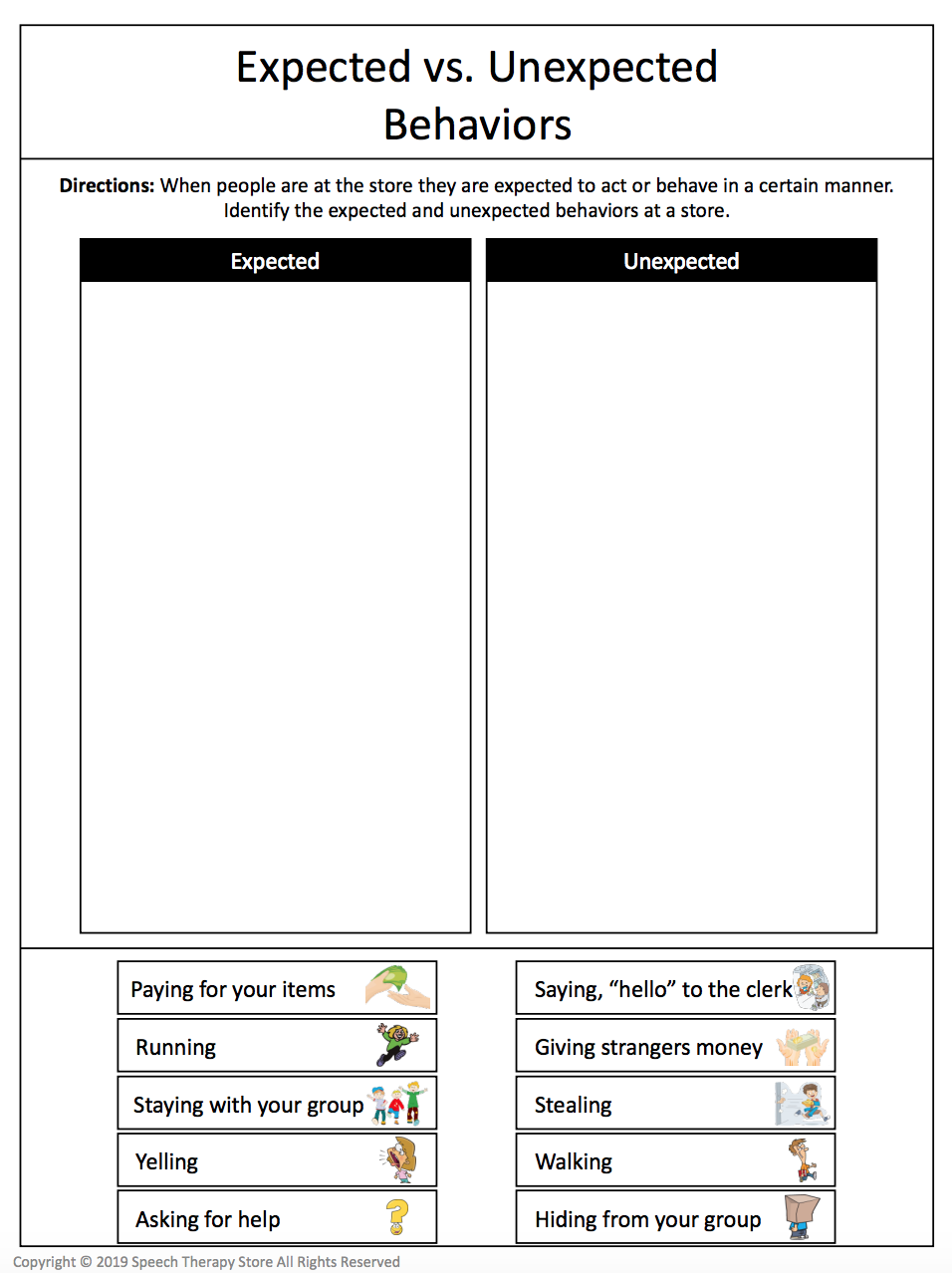
7 Free Community Outings Printables Life Skills Speech Therapy Store
By using expected vs unexpected behaviors printable worksheets, parents and educators can provide children with a valuable learning tool that promotes social skills and emotional intelligence. These worksheets offer a fun and engaging way for children to learn about social norms and develop essential skills that will benefit them throughout their lives. With consistent practice and reinforcement, children can master the difference between expected and unexpected behaviors and develop into respectful, considerate, and well-adjusted individuals.
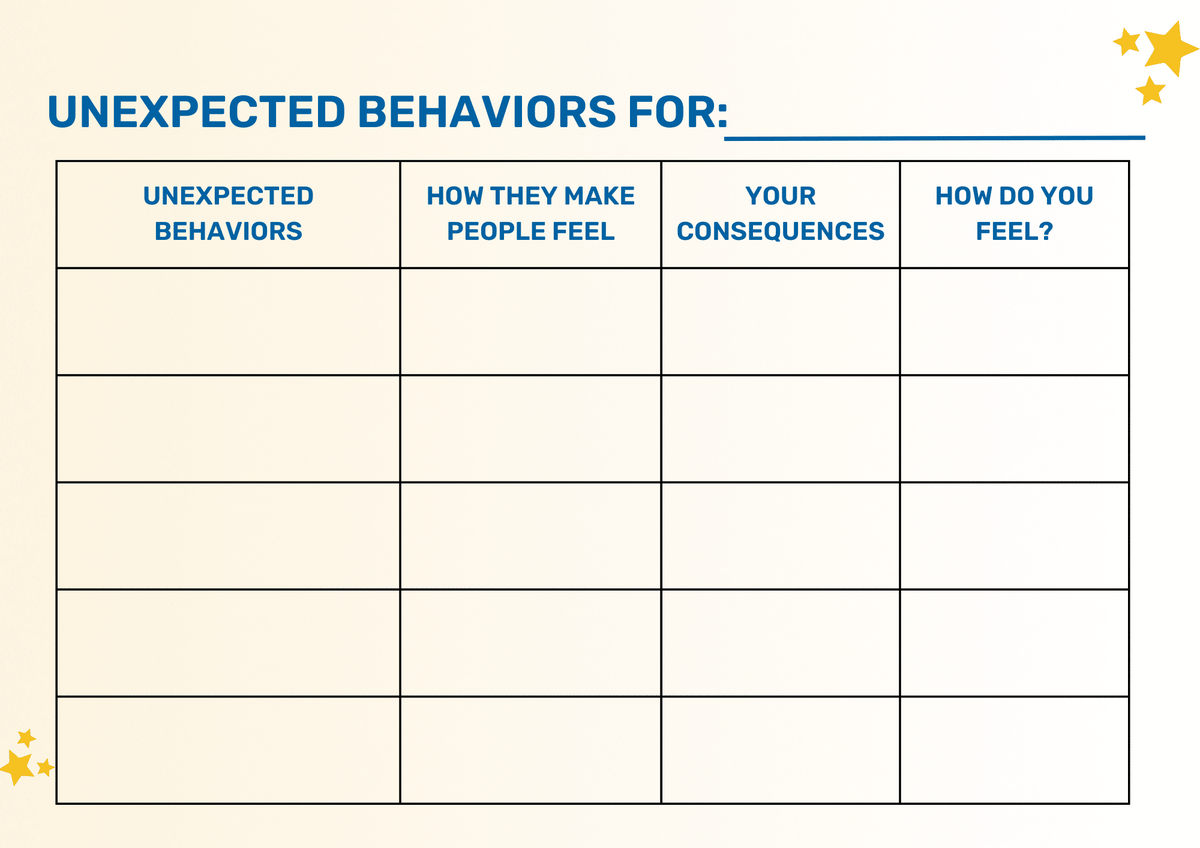
Free Expected And Unexpected Behaviors Worksheet Goally
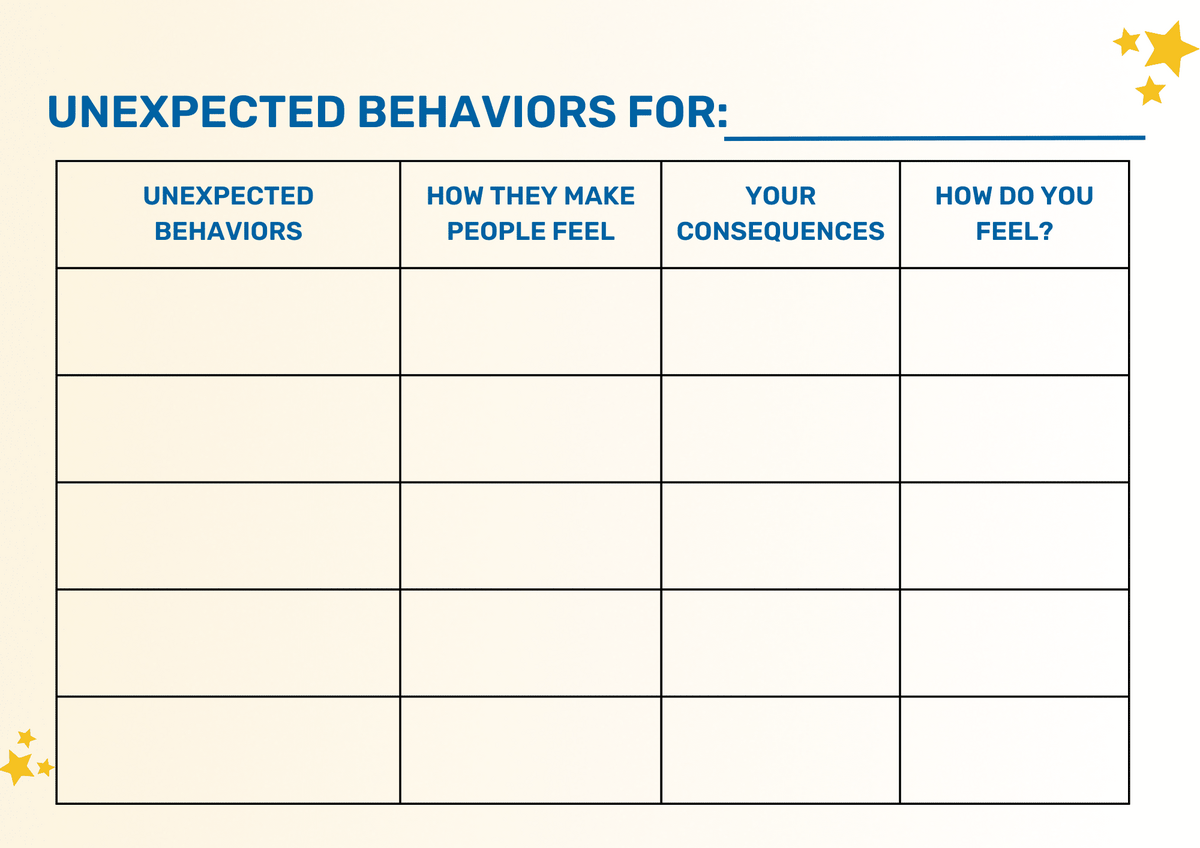
Free Expected And Unexpected Behaviors Worksheet Goally