When it comes to making informed decisions, comparing data is crucial. A printable comparison worksheet can be a valuable tool in helping you analyze and contrast different options, whether it’s for personal or professional use. With the help of Excel, you can create a customized worksheet that meets your specific needs. In this guide, we’ll walk you through the process of building a printable comparison worksheet in Excel.
Before we dive into the nitty-gritty of creating a comparison worksheet, it’s essential to understand the benefits of using Excel for this purpose. Excel offers a range of features that make it ideal for creating customizable worksheets, including formulas, conditional formatting, and printing options. By leveraging these features, you can create a worksheet that is both functional and easy to use.
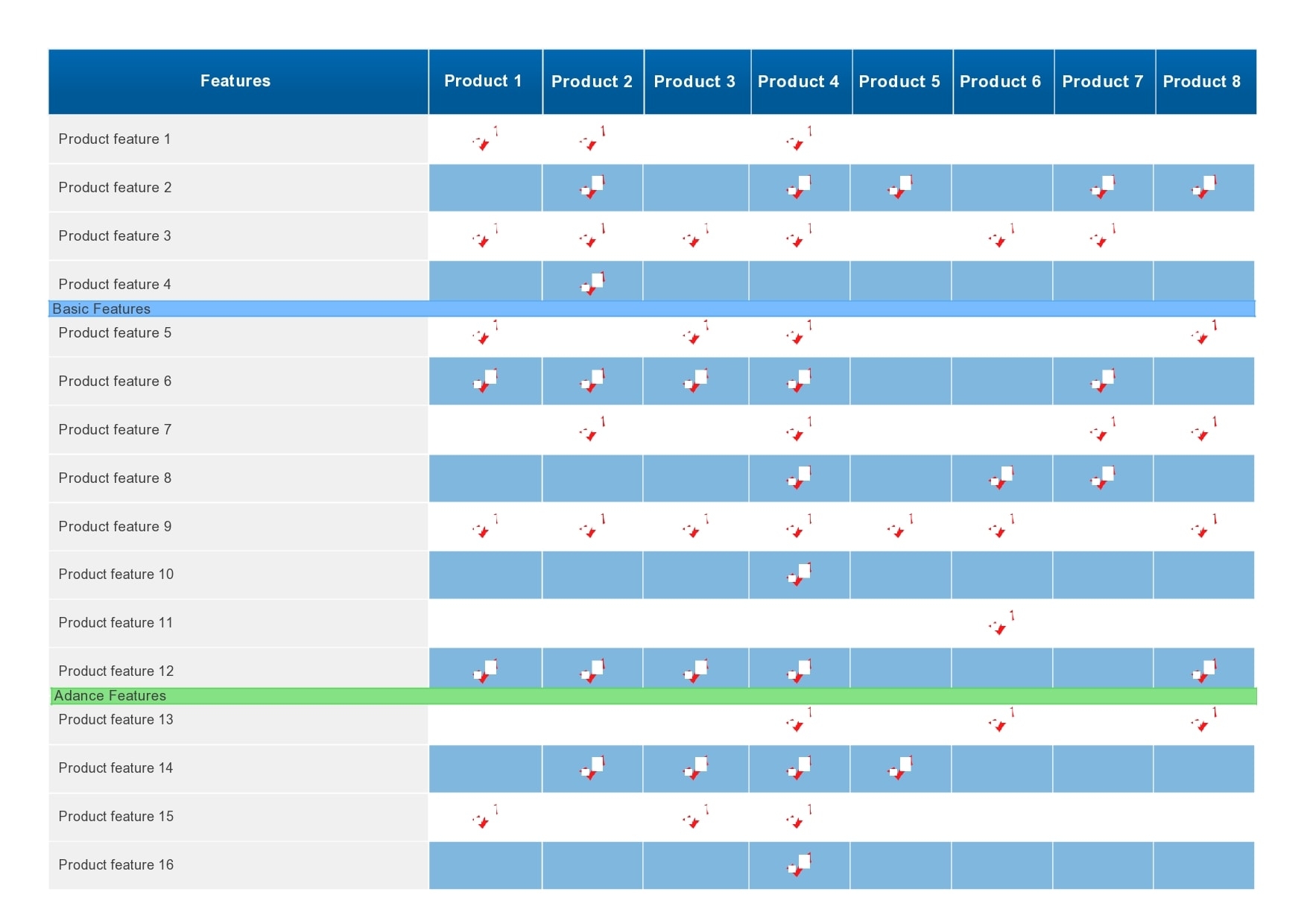
40 Free Comparison Chart Templates Excel TemplateArchive
Understanding the Basics of Comparison Worksheets
To create an effective comparison worksheet, you need to understand the basics of how it works. A comparison worksheet typically consists of a table or grid that allows you to compare different options side by side. The worksheet should include columns for each option, as well as rows for each feature or criterion being compared. By setting up your worksheet in this way, you can easily compare and contrast different options and make informed decisions.
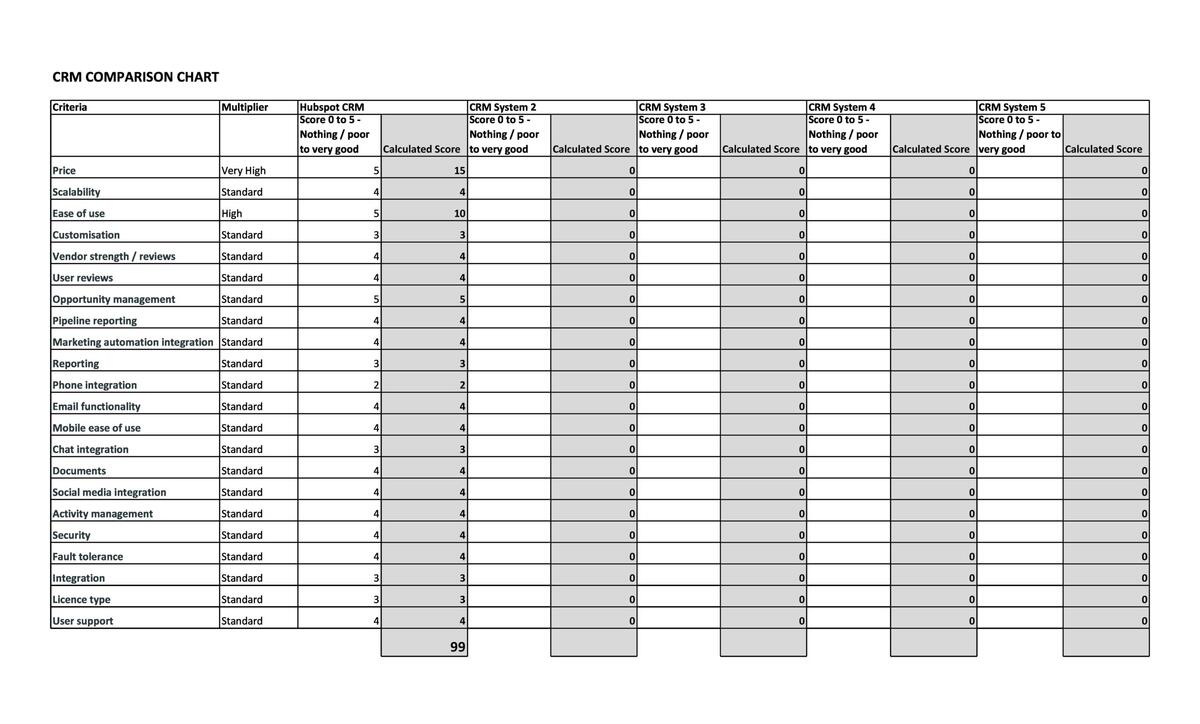
40 Free Comparison Chart Templates Excel TemplateArchive
Setting Up Your Excel Worksheet for Comparison
Setting up your Excel worksheet for comparison is a straightforward process. Start by creating a new spreadsheet and setting up your columns and rows. You can use Excel’s built-in formatting tools to make your worksheet look professional and easy to read. Be sure to include a header row and column to help you organize your data and make it easier to compare. You can also use Excel’s formula features to calculate totals and averages, making it easier to analyze your data.
Adding Data and Formulas to Your Comparison Worksheet
Once you have your worksheet set up, it’s time to add data and formulas. Start by entering your data into the worksheet, using the columns and rows you set up earlier. You can use Excel’s formula features to calculate totals and averages, as well as to create conditional formatting rules that highlight important information. Be sure to test your formulas and formatting rules to ensure they are working correctly, and make any necessary adjustments before printing your worksheet.
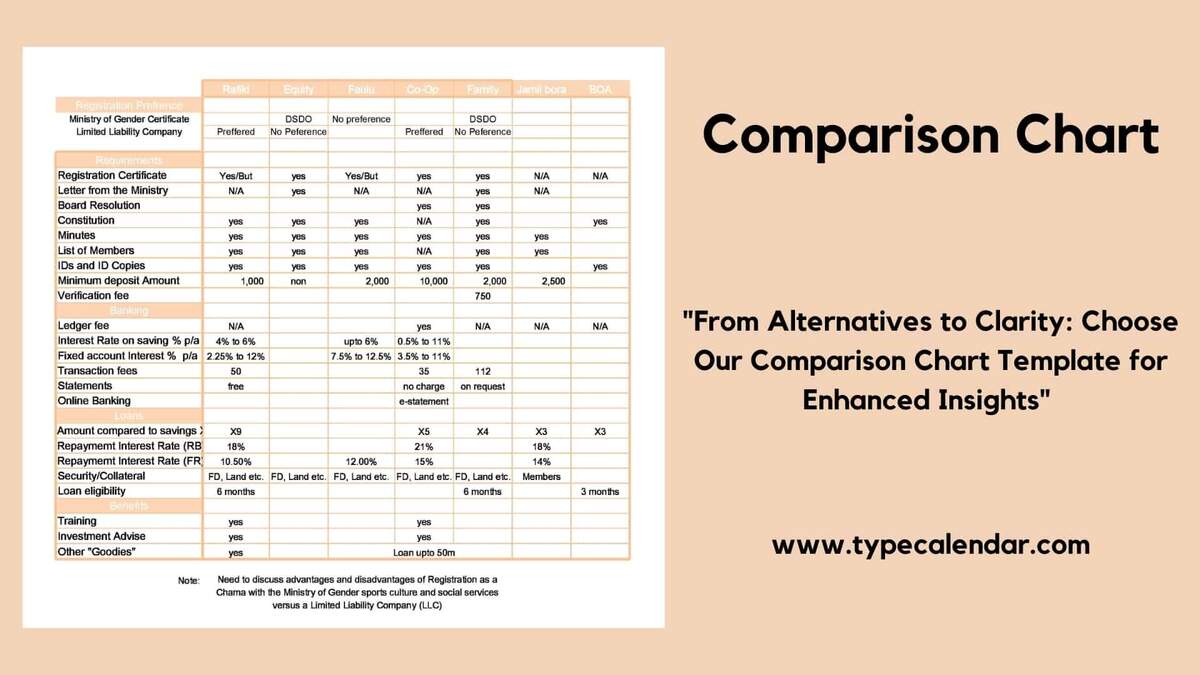
Free Printable Comparison Chart Templates PDF Word Excel Powerpoint
Finally, with your comparison worksheet complete, you can print it out and use it to make informed decisions. Excel offers a range of printing options, including the ability to print your worksheet in a variety of formats, such as PDF or Excel file. You can also use Excel’s built-in sharing features to share your worksheet with others, making it easy to collaborate and compare data.
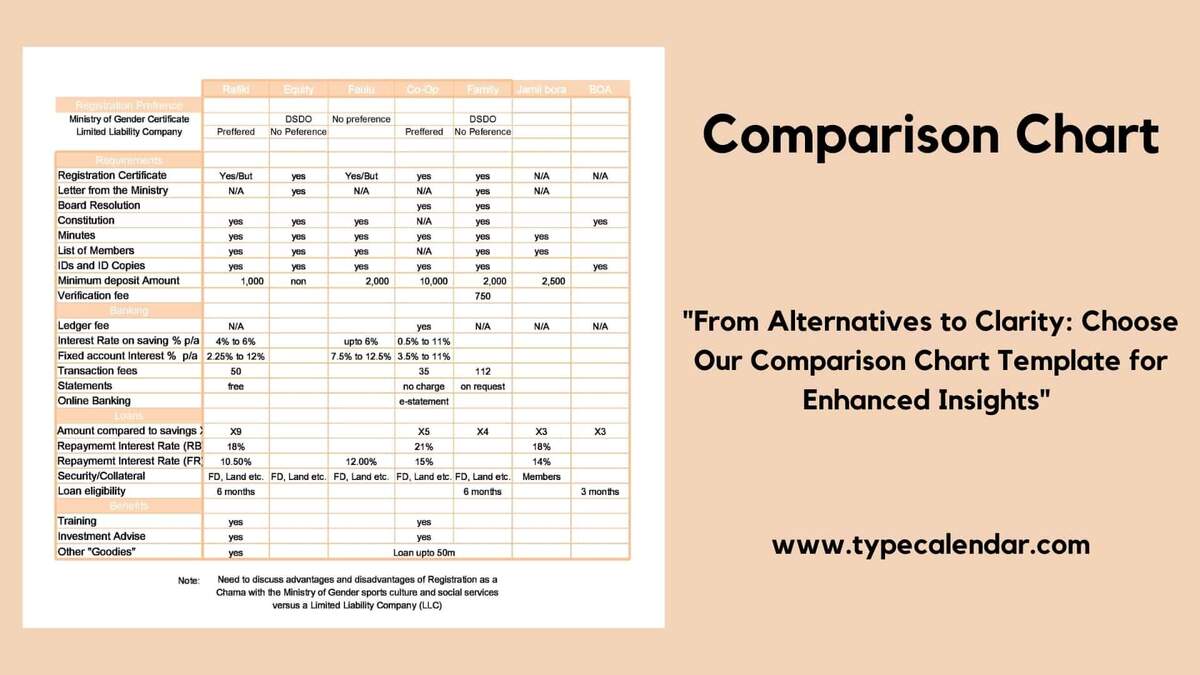
Free Printable Comparison Chart Templates PDF Word Excel Powerpoint
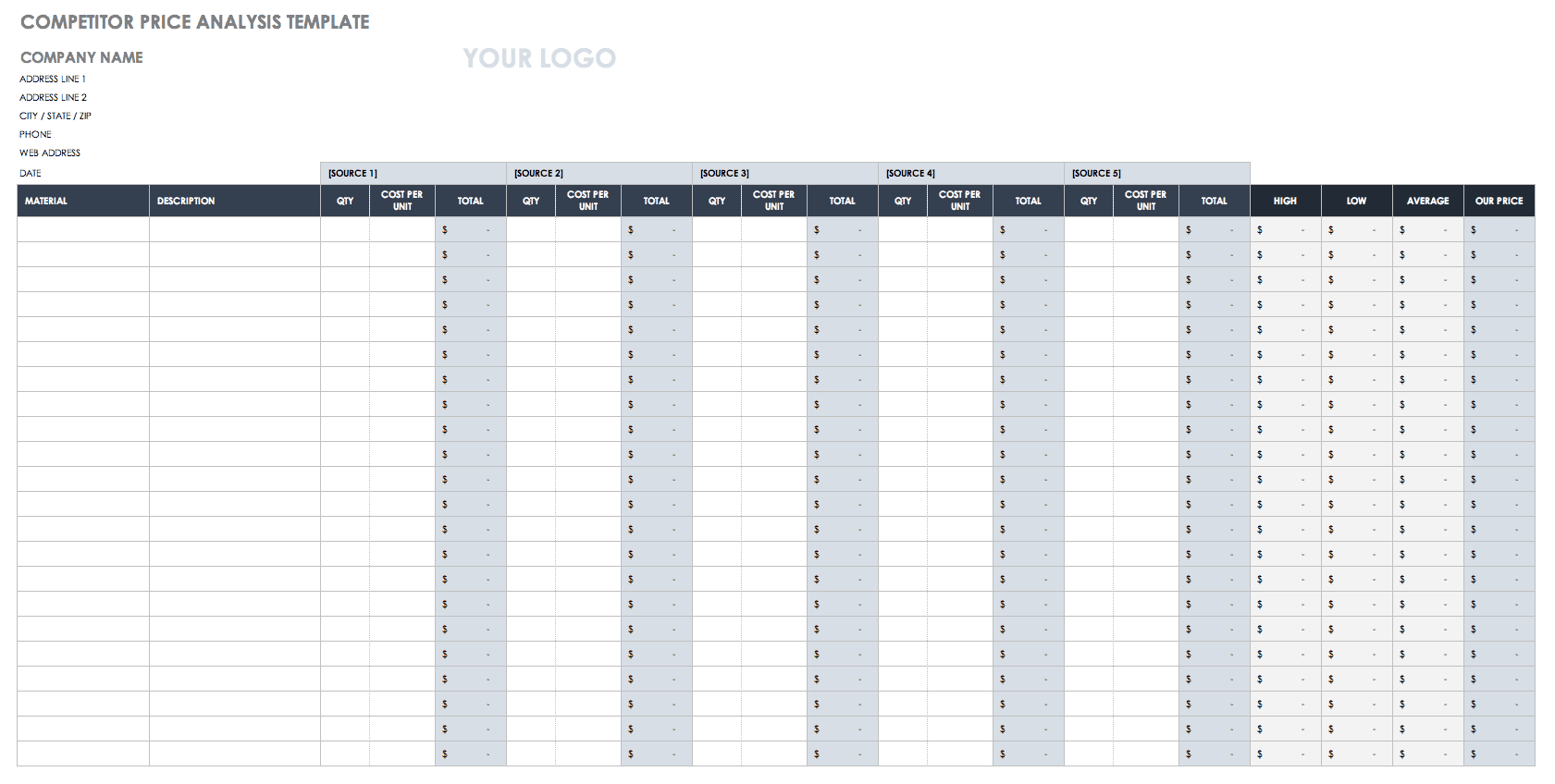
Free Price Comparison Templates Smartsheet